Pruning
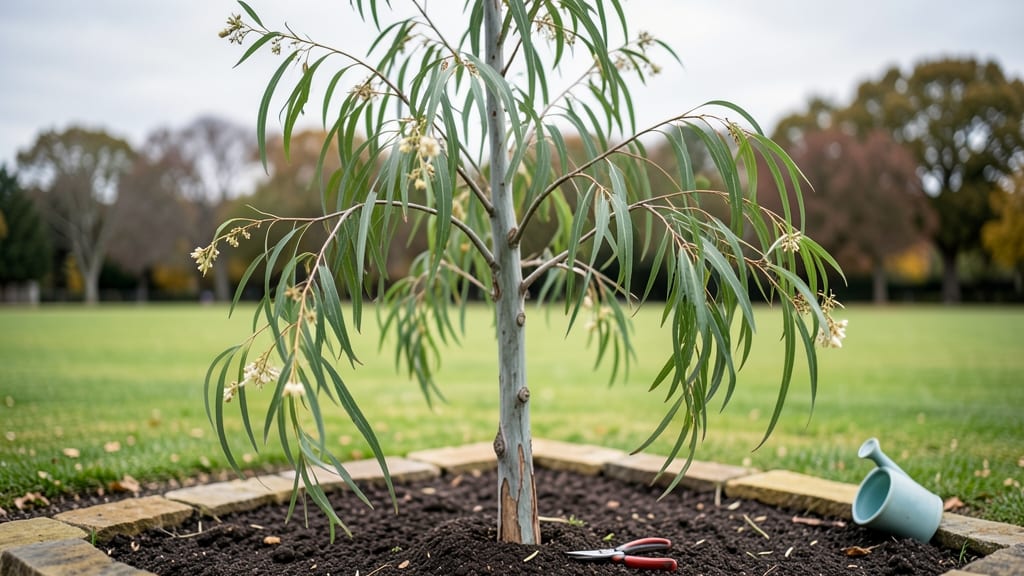
Cold hardy eucalyptus trees like Eucalyptus pauciflora can thrive in the Pacific Northwest—if you prune them right.
I’ve grown these tough trees for years in my Zone 7 garden, and the difference between a scraggly shrub and a vibrant, upright specimen comes down to timing, technique, and a little winter prep.
The key isn’t just cutting branches; it’s shaping the tree to handle our damp, chilly winters without losing its signature silvery-blue foliage.
Start by choosing the right tools—a sharp pair of loppers and pruning shears—and time your cuts for late winter or early spring, just as new growth begins.
These trees respond well to open-center pruning, where you remove dead or crossing branches first, then thin out the canopy to let light reach the center. My trees now stand 12-15 feet tall with a clean, airy shape that resists disease better than my first attempts at heavy pruning.
The secret? Never remove more than 25% of the foliage in one season, or you’ll shock the tree.
What you’ll end up with is a eucalyptus that looks lush and intentional, not wild. The pruned branches make way for fresh, fragrant new growth, and the tree’s natural resilience kicks in—even after our occasional late frosts.
Plus, the open structure means fewer pests and better airflow, so your tree stays healthy through the rainy season. Ready to transform yours?
This method works for other cold-hardy varieties too, like Eucalyptus gunnii, but always check your specific species’ needs. The Pacific Northwest’s climate is forgiving once you understand the tree’s growth patterns. Start small, and you’ll see the difference in just one growing season.
📚 In This Guide
- What you need
- Instructions
- Tips and common mistakes
- Wrapping up and next steps
What you need
- ● Pruning shears – Bypass pruners (for cuts up to ½ inch thick) or loppers (for cuts up to 2 inches thick). Sharpness is key!
- ● Pruning saw – For thicker branches (2+ inches). Look for a curved blade for cleaner cuts.
- ● Disinfectant (70% isopropyl alcohol or bleach solution) – Clean tools between cuts to prevent disease spread.
- ● Heavy-duty gloves – Cut-resistant (e.g., leather or Kevlar) to protect hands from thorns and sharp tools.
- ● Safety glasses – Protects eyes from debris.
- ● Ladder or extension pole – For high branches (ensure it’s stable and rated for your weight).
- ● Trash bags or compost bin – For collecting pruned branches.
- ○ Pruning sealant (optional but helpful) – For large cuts (1+ inch) to prevent disease entry.
- ● Pole pruner – Extends reach for high branches without a ladder.
- ● Work boots with ankle support – For stability on uneven ground.
- ● Tree wound dressing – Alternative to sealant for large wounds (e.g., Tanglefoot Tree Wound Pruning Sealer).
- ● Camera or phone – Snap before/after photos to track progress!
- ● First-aid kit – Just in case (thorns and tools can be sneaky!).
Instructions for pruning cold hardy eucalyptus trees in the Pacific Northwest
Here's how to shape your resilient eucalyptus while protecting it from winter's chill.
Time Your Pruning for Optimal Growth and Winter Prep
Prune your cold hardy eucalyptus during late winter or early spring, just as new growth begins to emerge. This timing ensures you remove dead wood while allowing the tree to harden off before winter. In the Pacific Northwest, aim for February through March—before the buds swell but after the coldest months pass. Avoid pruning in fall, as new growth won't have time to harden before winter's frost.
Look for dormant branches that are brown, brittle, or devoid of leaves. These are your priority for removal. Healthy branches will have a greenish hue and firm texture when gently squeezed. I always carry a small pruning saw and gloves—eucalyptus sap can be sticky and irritating to bare skin.
Remove Dead, Damaged, or Weak Wood First
Start by eliminating any branches that are dead, diseased, or crossing. Dead branches snap easily when bent, while healthy ones bend slightly before springing back. Cut these back to the main trunk or a healthy lateral branch, making your cuts just outside the branch collar—the swollen area where the branch meets the trunk. This prevents unsightly stubs and promotes faster healing.
If you notice any branches with peeling bark, oozing sap, or fungal growth, remove them immediately and disinfect your tools with a 10% bleach solution. Eucalyptus trees are generally resistant, but Pacific Northwest humidity can encourage fungal issues. I always prune from the bottom up to avoid spreading any potential pathogens from higher branches.
Thin the Canopy for Better Airflow and Light Penetration
Next, focus on thinning the canopy to improve airflow and sunlight exposure. Aim to remove 20-30% of the foliage, targeting branches that rub against each other or grow inward. This reduces stress on the tree and helps prevent winter moisture buildup, which can lead to rot. Start at the outer edges and work your way inward, making sure to step back occasionally to visualize the tree's shape.
Use hand pruners for smaller branches and a pruning saw for thicker stems. Cut just above a bud or lateral branch that grows outward from the trunk. Avoid leaving stubs—these can trap moisture and invite disease. If you're unsure about a cut, err on the side of caution and leave the branch. You can always prune more next season.
Shape the Tree for Balance and Winter Resilience
Now it's time to refine the tree's shape. Cold hardy eucalyptus varieties benefit from a rounded, open canopy that allows sunlight to reach the lower branches. This encourages even growth and reduces the risk of winter burn. Focus on maintaining a natural, balanced silhouette—avoid overly aggressive shaping, as eucalyptus trees respond best to gentle guidance.
Look for water sprouts—fast-growing, vertical shoots that often appear after pruning. These compete with the main branches for nutrients and should be removed as soon as they appear. Use your hand pruners to snip them off at the base. If you notice any branches growing too close to the ground, trim them back to encourage upward growth and a more elegant form.
Clean Up and Monitor for Winter Protection
After pruning, rake up and dispose of all debris to keep your garden tidy and reduce the risk of pests or disease. If you're in a particularly cold microclimate, consider wrapping the trunk with burlap or tree guard for added protection. While cold hardy eucalyptus varieties tolerate 15-20°F, young trees or newly pruned specimens may benefit from extra insulation.
Water your eucalyptus deeply after pruning to help it recover. Monitor the tree closely over the next few weeks, watching for new growth and signs of stress. If you notice any yellowing leaves or wilting, adjust your watering or check for pests. With proper care, your cold hardy eucalyptus will reward you with lush, vibrant foliage and resilience against Pacific Northwest winters.
Tips & tricks for perfect cold hardy eucalyptus pruning
Timing and technique make all the difference when pruning eucalyptus—here's what I've learned after years of working with these resilient trees in the Pacific Northwest.
Timing is Everything: The February through March window is critical because it lets your tree recover before summer heat arrives. If you're unsure about the exact timing, look for swollen buds on the branches—that's your cue to start pruning. I've seen trees pruned too early struggle with winter stress, while those pruned too late miss out on the full growing season. Between us, don't rush this step—patience pays off with healthier growth.
Branch Health Check: When identifying dead branches, do the scratch test: scrape the bark with your fingernail. If green shows beneath, it's alive. For branches with fungal issues, cut back to healthy wood and immediately disinfect your tools with a 10% bleach solution. I learned this the hard way after spreading fungal spores between trees in my garden. Remember, eucalyptus sap can be irritating—always wear gloves and have a small bottle of rubbing alcohol handy to clean sticky residue from your tools.
Thinning Technique: When aiming for that 20-30% canopy reduction, work in layers from the outside in. This creates better airflow and sunlight penetration without shocking the tree. I always step back every few cuts to visualize the shape—it's amazing how much difference a few strategic cuts make. For stubborn branches, use a pruning saw for clean cuts that won't tear the bark. And here's a pro move: cut just above a bud or lateral branch growing outward to encourage healthy new growth in the right direction.
Winter Protection: While cold hardy eucalyptus can handle down to 15-20°F, young trees or newly pruned specimens benefit from extra protection. Wrap the trunk with burlap or tree guard if you're in a particularly cold microclimate. I've seen dramatic differences in tree health between protected and unprotected specimens during harsh winters. And don't forget—deep watering after pruning helps the tree recover and establish new roots before winter sets in.
Pro Tips for Cold Hardy Eucalyptus Tree
- Timing and technique make all the difference when pruning eucalyptus—here's what I've learned after years of working ...
- Timing is Everything: The February through March window is critical because it lets your tree recover before summer h...
- Branch Health Check: When identifying dead branches, do the scratch test: scrape the bark with your fingernail. If gr...
Frequently asked questions
about cold-hardy eucalyptus trees—especially in the Pacific Northwest—can save you time and stress. Here are answers to the most common queries:Can cold-hardy eucalyptus survive PNW winters?
Yes! Varieties like Eucalyptus gunnii or E. pauciflora thrive in USDA Zones 6-9 with proper care. They tolerate temps down to 10°F (-12°C), but young trees may need winter wraps or mulch for extra protection. Pro tip: Plant in sheltered microclimates to avoid frost pockets.
When’s the best time to prune for cold resilience?
Prune late winter or early spring (before new growth starts) to avoid stressing the tree before winter. Focus on removing dead, crossing, or weak branches first. Never prune in fall—it reduces the tree’s ability to harden off for winter. Bonus: Light shaping in summer helps airflow, reducing fungal risks.
What if my eucalyptus looks stressed after winter?
Don’t panic! Cold damage often appears as brown or curled leaves, but the tree may recover. Check for:
- New growth in spring (sign of life!)
- Moisture stress (water deeply if soil is dry)
- Pests (like psyllids—treat with horticultural oil if needed)
Are there PNW-friendly alternatives if eucalyptus is too high-maintenance?
Consider these low-maintenance, cold-tolerant options:
- Magnolia grandiflora (Zone 7-10, glossy leaves, fragrant)
- Leyland cypress (Zone 6-10, fast-growing screen)
- Port Orford cedar (Native PNW, drought-resistant)
How much can I prune without harming the tree?
Never remove more than 25% of the canopy in one year—this stresses the tree. For cold-hardy eucalyptus, aim for 10-15% annual pruning to maintain shape and health. Key rule: Always prune just above a leaf node (bud) to encourage regrowth. Warning: Avoid over-pruning—it weakens the tree’s winter resilience.
Wrapping up and next steps
Growing a cold-hardy eucalyptus tree in the Pacific Northwest isn’t just possible—it’s rewarding! With the right pruning techniques, you’ll foster resilience, shape stunning foliage, and even extend its lifespan. Remember, timing, tools, and technique are your best friends, so stay patient and consistent. 🌿
Ready to transform your yard? Start by observing your tree’s growth and scheduling your first pruning session this fall. Whether you’re trimming for shape, safety, or health, every cut brings you closer to a thriving, climate-adapted eucalyptus masterpiece. Happy pruning! ✂️