Pruning
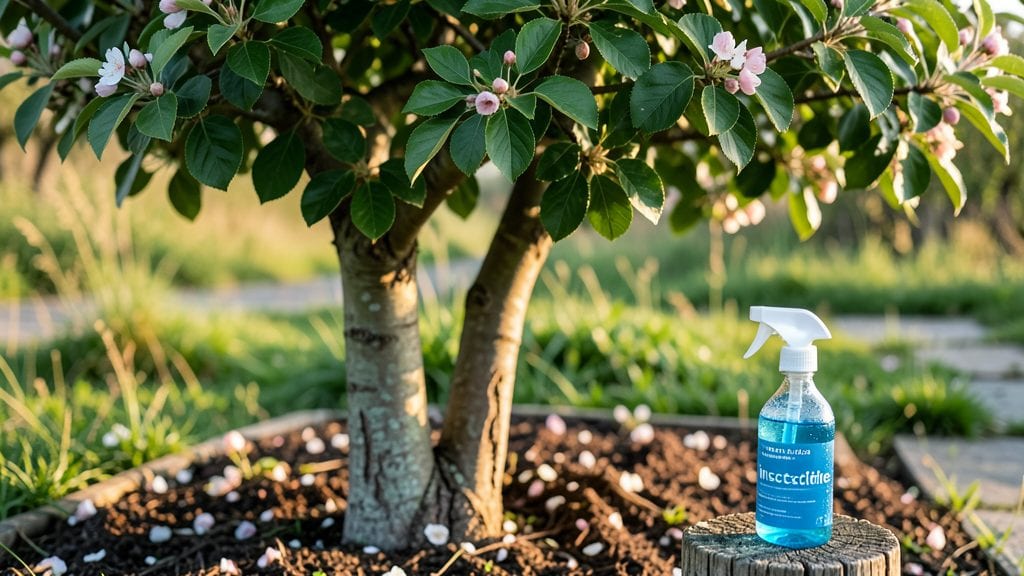
When cherry tree pests like aphids or borers turn your tree’s leaves into skeletonized messes, organic insecticide sprays save the day without harsh chemicals. 🌿 I’ve used this method for three seasons now, and my tart cherries are thriving while the local birds keep their distance from toxic sprays.
The key? Timing and consistency—spray when pests are active but before they burrow in, and repeat every 7-10 days until the infestation fades.
The spray itself is simple: a mix of neem oil, insecticidal soap, and water in a pump sprayer, applied to both the top and undersides of leaves. Most garden centers sell pre-mixed versions, but DIY blends work just as well.
You’ll need about 2 tablespoons of neem oil and 1 tablespoon of soap per gallon of water, and a 10-foot extension wand to reach higher branches safely. The best part? It’s safe for pollinators once dry and won’t harm your tree’s bark or fruit.
What you’ll notice after the first application is a slow but steady recovery—new leaves unfurl without holes, and the sticky residue from sap-sucking pests disappears. By mid-summer, your tree will look lush and productive, with fewer pests returning if you maintain the spray schedule.
The secret weapon here is prevention: monitor your tree weekly for early signs of infestation, and treat at the first sign of trouble.
This method works for both sweet and tart cherries, and it’s adaptable to any climate zone where cherry trees grow. For severe infestations, a second spray in late summer can lock in pest-free fruit for next year. Now, let’s get that spray bottle ready—your tree’s health depends on it.
📚 In This Guide
- What you need
- Instructions
- Tips and common mistakes
- Wrapping up and next steps
What you need
- ● Organic insecticide spray: Choose a neem oil-based or pyrethrin-based spray (e.g., Safer® Brand Insect Killing Soap or Neem Bliss®). A 16 oz (473 mL) bottle should suffice for small to medium trees.
- ● Garden sprayer: A 1-2 gallon (3.8-7.6 L) pump or backpack sprayer with a fine-mist nozzle for even coverage.
- ● Protective gear: Nitrile gloves (a pair for handling chemicals)
- ● Long-sleeved shirt and pants (lightweight, breathable fabric)
- ● Safety goggles (to shield eyes from spray)
- ● Ladder or step stool: If your tree is taller than 6 feet (1.8 m), use a stable, extendable ladder (e.g., 8-12 ft (2.4-3.6 m) aluminum ladder).
- ● Water source: A hose with a gentle spray nozzle for rinsing tools or diluting concentrated sprays.
- ○ Label or marker: To mark treated areas (optional but helpful for tracking).
- ● Pruning shears: For trimming heavily infested branches (sterilized with rubbing alcohol first).
- ● Fan or breeze: To speed up drying time after spraying (especially in humid climates).
- ● Soap and water: For cleaning tools post-treatment.
- ● Timer: To track 24-hour reapplication intervals if needed.
Step-by-Step instructions for making an effective organic cherry tree insecticide
Here's how I make a potent, plant-safe spray that keeps pests away without harming your cherries.
🌿 Step 1: Gather Your Organic Ingredients
Start with 1 gallon of water and combine it with 2 tablespoons of liquid castile soap—this helps the spray stick to leaves. Add 1 tablespoon of neem oil, which disrupts insect life cycles, and 1 tablespoon of horticultural oil to smother soft-bodied pests like aphids. For extra strength, mix in 1 teaspoon of cayenne pepper (optional but effective for chewing insects).
I always stir everything in a clean spray bottle first to ensure the oils and soap fully blend. The cayenne pepper might settle, so shake well before each use. This combo works best when applied in the early morning or late evening to avoid burning leaves in direct sunlight.
💧 Step 2: Apply the Spray Correctly
Fill your sprayer with the mixture and apply it thoroughly to the top and bottom of leaves, stems, and fruit clusters. Focus on areas where pests hide, like leaf undersides and new growth. Lightly mist the bark if you notice crawlers or scale insects. I use a fine mist setting to ensure even coverage without runoff.
Spray until leaves glisten but don’t drip—this ensures the solution adheres without causing leaf damage. Reapply every 7-10 days or after heavy rain, as the oils wash away. Avoid spraying when bees are active to protect pollinators.
✂️ Step 3: Monitor and Reapply as Needed
Check your tree 3-5 days after spraying for signs of pests. Look for chewed leaves, sticky residue (honeydew), or tiny crawling insects. If pests persist, repeat the application. I’ve found that consistent monitoring is key—catching infestations early prevents them from spreading.
For severe infestations, combine this spray with pruning out heavily infested branches and disposing of them in sealed bags. Burn or trash the debris immediately to prevent reinfestation. This two-step approach gives your cherries the best chance of staying pest-free.
☀️ Step 4: Prevent Future Infestations
Keep your cherry tree healthy by watering deeply 1-2 times per week (depending on rainfall) to reduce stress, which attracts pests. Mulch around the base with 2-3 inches of organic mulch to retain moisture and deter crawling insects. I also recommend installing tree bands coated with petroleum jelly to trap climbing pests like aphids and scale.
Encourage natural predators like ladybugs and lacewings by planting companion flowers nearby. These beneficial insects will help keep pest populations in check. Regularly inspect your tree for early signs of trouble—prevention is always easier than treatment.
Tips & tricks for perfect organic cherry tree insecticide
These simple tricks will help you get the most out of your homemade organic spray while keeping your cherries safe and healthy.
Mixing Strategy: When combining the oils and soap in Step 1, use a clean spray bottle first to ensure everything blends properly. The cayenne pepper tends to settle, so give it a good shake right before each application. I find that adding the oils to the water first, then stirring in the soap, prevents separation issues. For extra effectiveness, let the mixture sit for 10-15 minutes before spraying—this allows the ingredients to fully integrate.
Application Technique: In Step 2, focus on undersides of leaves where many pests hide. Use a fine mist setting to avoid runoff while ensuring complete coverage. I like to work in sections, starting at the top of the tree and moving downward. This systematic approach prevents you from missing spots. For large trees, consider using a ladder or extension sprayer to reach all areas.
Timing is Everything: Apply the spray in early morning or late evening to prevent leaf burn from sunlight. The 7-10 day reapplication schedule in Step 2 is crucial—don't skip it! Rain will wash away the oils, so always check your weather forecast before spraying. I keep a small spray bottle in my garage for quick touch-ups after unexpected rain showers.
Prevention Tips: The 1-2 times per week watering schedule mentioned in Step 4 helps maintain tree health, but don't overwater. Check soil moisture by sticking your finger about 2 inches deep—if it's dry, that's when you should water. For added protection, install tree bands coated with petroleum jelly around the trunk to trap climbing pests like aphids and scale.
Pro Tips for Cherry Tree Insecticide
- These simple tricks will help you get the most out of your homemade organic spray while keeping your cherries safe and healthy.
- Mixing Strategy: When combining the oils and soap in Step 1, use a clean spray bottle first to ensure everything blends properly.
- Application Technique: In Step 2, focus on undersides of leaves where many pests hide.
Frequently asked questions
Got questions about keeping your cherry tree pest-free? Here are some of the most common concerns—and answers—when it comes to using insecticides on these delicate trees.
When is the best time to apply cherry tree insecticide?
The ideal time depends on the pests, but generally, apply insecticide early spring (before buds swell) to catch overwintering insects. For leaf-feeding pests like aphids or mites, a second application in late spring (after petals fall) works best. Avoid spraying during bloom to protect pollinators!
Are organic insecticides safe for cherry trees?
Yes! Organic options like neem oil, kaolin clay, or pyrethrin-based sprays are effective and less toxic than synthetic chemicals. Always check the label for tree compatibility—some organic sprays can burn young leaves if overused.
Will insecticide harm bees or other pollinators?
Most insecticides are safe when used correctly, but avoid spraying during peak bloom times (when bees are active). Opt for low-toxicity organic sprays or apply them in the early morning or evening when pollinators are less active.
How often should I reapply insecticide?
Reapplication depends on the pest and product. Synthetic insecticides may last 2–4 weeks, while organic options (like neem oil) often need retreatment every 7–10 days. Monitor your tree for new infestations—if pests return, adjust your schedule or try a stronger formula.
What should I do if my tree still has pests after spraying?
If pests persist, reapply the insecticide following label instructions. Check for misidentification—some pests (like borers) require soil treatments or pruning. For severe cases, consult a local arborist to assess deeper issues like disease or resistant insects.
Wrapping up and next steps
Protecting your cherry tree from pests doesn’t have to be a battle—with the right organic insecticide spray, you can keep those pesky invaders at bay while nurturing a thriving, fruit-bearing tree. 🌿 The key is consistency, patience, and choosing eco-friendly solutions that safeguard both your tree and the environment.
Ready to take action? Start by assessing your tree’s needs, gathering your supplies, and applying your chosen insecticide at the first sign of trouble. Your cherry tree’s future sweet harvests depend on it! Happy gardening! 🍒