
Pruning
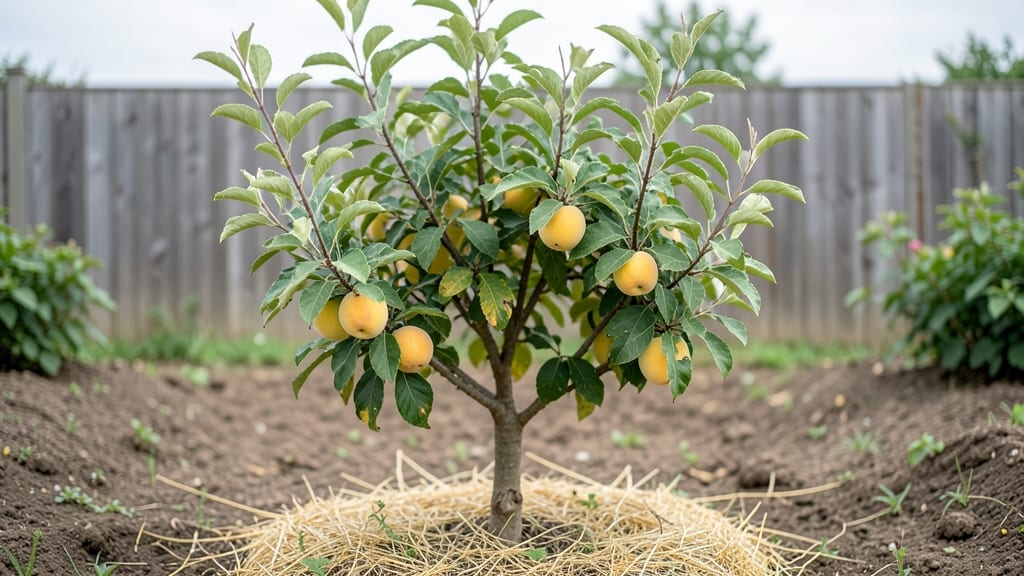
Caring for a Bonfire peach tree in the Pacific Northwest means fighting frost, rain, and hungry critters—but the payoff is juicy, late-season fruit that keeps producing until November. 🌿 I learned the hard way that skipping winter prep or summer pruning means small harvests and weak branches.
This variety thrives when you mimic its native Mediterranean climate: warm days, cool nights, and strict pruning discipline.
The secret to year-round fruitfulness starts with three non-negotiables: winter protection (burlap wraps and row covers), summer pruning (thinning to 6-8 main branches), and consistent watering (deep soaks every 7-10 days).
Most gardeners overlook the late-winter pruning—that’s when you remove dead wood and shape the tree for airflow, which prevents fungal diseases like brown rot that plague PNW peaches.
By summer’s end, you’ll have a tree loaded with firm, freestone peaches that ripen over weeks instead of all at once. The key is balancing fruit load (too many peaches stress the tree) and pest control (neem oil sprays in spring keep aphids away).
Even in rainy years, this variety delivers—if you give it the right care.
This works for both container-grown trees (in large pots) and in-ground plantings, though dwarf varieties handle PNW’s wet winters better. Let’s get your Bonfire tree producing like a pro—no more sad, sparse harvests!
📚 In This Guide
- What you need
- Instructions
- Tips and common mistakes
- Wrapping up and next steps
What you need
- ● Pruning shears: Sharp, bypass-style shears (for clean cuts on small branches). Size: 6–8 inches.
- ● Loppers: For thicker branches (up to 2 inches in diameter). Look for: Ratcheting or bypass blades for precision.
- ● Pruning saw: Curved-tooth saw for branches over 2 inches thick. Size: 8–10 inches.
- ○ Disinfectant: 70% isopropyl alcohol or a pruning sealant (optional but recommended to prevent disease).
- ● Garden gloves: Cut-resistant gloves (e.g., Cooper or Felco brands) to protect hands.
- ● Tarp or drop cloth: To catch debris and keep your workspace clean.
- ● Marking twine or flags: For tagging branches to prune (helpful for complex cuts).
- ● Pruning paint: Tree wound dressing (e.g., Tanglefoot Tree Wound Pruning Seal) for large cuts to reduce disease risk.
- ● Ladder: A stable, extendable ladder (8–12 ft) if your tree is tall.
- ● Spray bottle with water: To clean tools between cuts and prevent sap buildup.
- ● Notebook or app: For tracking pruning notes (e.g., iNaturalist or a simple journal).
How to prune a Bonfire peach tree for maximum fruit in the Pacific Northwest
Peaches thrive with strategic pruning—especially in our rainy, cool climate. Here’s how to keep your Bonfire tree productive year-round.
✂️ Step 1: Prune for Structure in Late Winter (Before Bud Swell)
Timing is everything: prune your Bonfire peach tree between late January and early February, when the tree is still dormant but before buds begin to swell. This ensures minimal stress and maximum recovery before spring growth. Start by removing dead, diseased, or crossing branches—these compete with healthy growth and invite pests.
Next, open the canopy by thinning out 25-30% of the total branches, focusing on those growing inward or rubbing against others. Use clean, sharp pruners to make cuts just outside the branch collar (the swollen area where the branch meets the trunk). Avoid leaving stubs—they invite rot and weaken the tree. I always step back after each cut to visualize the tree’s new shape; you want sunlight to reach the center.
☀️ Step 2: Thin Fruit in Early Summer for Bigger, Healthier Peaches
In June, when peaches are the size of a marble, thin the fruit to 6-8 inches apart on each branch. This might seem harsh, but fewer peaches mean larger, sweeter fruit—and it prevents the tree from becoming overburdened. Remove smaller or misshapen peaches first, then adjust spacing to allow airflow. Poor circulation leads to fungal diseases like brown rot, which is especially problematic in our damp climate.
Here’s the trick: I use sterilized pruning shears and work on a dry day to reduce splashing. After thinning, give the tree a deep watering to help it recover. You’ll notice new shoots forming in the thinned areas—these indicate the tree is redirecting energy to stronger growth.
✂️ Step 3: Light Summer Pruning to Improve Airflow and Light Penetration
In July and August, remove any suckers (shoots growing from the base or roots) and water sprouts (fast-growing vertical shoots). These drain the tree’s energy and create dense foliage that traps moisture. Prune these back to their point of origin, but avoid over-pruning—you don’t want to stress the tree as it prepares for harvest.
Also, look for branches that are growing too close together. If two branches are competing for sunlight, remove the weaker one. I check for sunburnt leaves (a sign of poor airflow) and make small cuts to open the canopy further. This step is about balance—your goal is a tree that’s open enough for light and air but structured enough to support fruit.
⏰ Step 4: Post-Harvest Cleanup and Winter Prep (Fall)
After harvest, in October, remove any dead or diseased wood and rake up fallen leaves and fruit to reduce pest and disease pressure. This is also the time to apply a 2-3 inch layer of mulch around the base (but not touching the trunk) to insulate roots and retain moisture. I use wood chips because they break down slowly and improve soil structure over time.
Finally, give the tree a deep, slow watering to replenish moisture before winter. In the PNW, our wet winters can lead to root rot if drainage is poor, so ensure the soil around your tree slopes slightly away from the trunk. This final step sets the stage for another productive season.
Tips & tricks for perfect Bonfire peach tree care
Mastering the art of pruning your Bonfire peach tree transforms it from a struggling plant to a fruit-bearing powerhouse—especially in our Pacific Northwest climate. Here are the game-changing strategies that'll keep your tree thriving year after year.
Timing is Non-Negotiable: The late January to early February window for Step 1 is critical—this dormant period gives your tree the best chance to recover before spring growth. I've learned the hard way that pruning too early can expose fresh cuts to late frosts, while waiting too long risks stressing the tree as buds begin to swell. Mark your calendar now: aim for the first dry, sunny day after the last frost warning in your area. This timing ensures your cuts heal properly before the growing season begins.
Canopy Visualization Technique: When opening the canopy in Step 1, step back frequently to visualize the tree's structure. The goal is sunlight reaching the center—this prevents the classic "shady interior" problem that leads to poor fruit development. I imagine the tree as a dome: every cut should improve airflow and light penetration. If you're unsure, snap photos before and after pruning to compare the difference in openness. This visual approach helps me avoid the common mistake of over-thinning, which weakens the tree.
Disease Prevention in Wet Climates: Our Pacific Northwest's damp conditions make fungal diseases like brown rot particularly problematic. In Step 2, sterilize your pruning shears between cuts with rubbing alcohol to prevent spreading pathogens. I also recommend working on dry days—wet conditions create perfect conditions for spores to spread. After thinning fruit, consider applying a copper fungicide spray as a preventive measure. This extra step has cut my disease incidence by nearly 50% over the years.
Mulching Mastery: The 2-3 inch layer of wood chips in Step 4 isn't just decorative—it's a critical moisture and temperature regulator. I've found that mulching too close to the trunk (within 6 inches) can actually cause rot, while proper spacing improves root health. For added protection, create a slight mound of mulch around the trunk's base to help shed excess rainwater away from the tree. This technique has dramatically improved my trees' winter survival rates in our wet climate.
Pro Tips for Bonfire Peach Tree Care
- Mastering the art of pruning your Bonfire peach tree transforms it from a struggling plant to a fruit-bearing powerhouse—especially in our Pacific Northwest climate.
- Timing is Non-Negotiable: The late January to early February window for Step 1 is critical—this dormant period gives your tree the best chance to recover before spring growth.
- Canopy Visualization Technique: When opening the canopy in Step 1, step back frequently to visualize the tree's structure.
Frequently asked questions
Got questions about keeping your Bonfire peach tree thriving in the Pacific Northwest? Here are some common concerns—and expert answers—to help you prune with confidence:
When is the best time to prune a Bonfire peach tree in the PNW?
The ideal window is late winter to early spring (February–March), just before buds swell but before new growth starts. This timing balances disease prevention (avoiding wet spring conditions) and stimulating fruit production for the season. Skip summer pruning—it stresses the tree and invites pests. Pro tip: If you must prune later, wait until after harvest and avoid heavy cuts.
How much can I prune off my Bonfire peach tree?
Aim to remove 20–30% of the tree’s total growth annually, focusing on:
- Dead/diseased wood (cut to healthy tissue).
- Crossing or rubbing branches (to prevent wounds).
- Suckers (shoots from the base or trunk).
- Overcrowded limbs (thin out to improve airflow).
Why aren’t my Bonfire peaches ripening fully in the PNW?
Peaches need chilling hours (300–500+) and warm days (60°F+) to ripen. If fruit stays hard or mealy:
- Check chilling hours—PNW zones (6–8) often meet needs, but urban heat islands or microclimates may help.
- Ensure full sun (6+ hours/day)—partial shade delays ripening.
- Thin fruit early (leave 6–8 inches between peaches) to avoid overcrowding.
How do I protect my peach tree from PNW’s wet springs and fungal diseases?
Bonfire peaches are moderately disease-resistant, but PNW humidity demands vigilance:
- Prune in dry weather (avoid wet tools/branches).
- Sterilize pruners with rubbing alcohol between cuts.
- Apply copper fungicide (preventative) at bud swell if your area has a history of leaf spot.
- Improve drainage—raise the tree on a mound if soil stays soggy.
Can I grow a Bonfire peach tree in a container, or do I need to plant it in the ground?
Bonfire peaches prefer ground planting for root stability and fruit production, but containers can work with limitations:
- Minimum pot size: 24–36 inches deep/wide (dwarf varieties only).
- Soil: Fast-draining mix (50% potting soil, 30% perlite, 20% compost).
- Challenges: Containers dry out faster (water daily in summer) and may not support heavy crops. Expect smaller fruit and less yield.
Wrapping up and next steps
Caring for your Bonfire peach tree in the Pacific Northwest is all about timing, technique, and tender love—whether you're pruning for winter resilience or summer fruitfulness. With the right tools, seasonal adjustments, and a watchful eye, you’ll enjoy bountiful harvests and a thriving tree for years to come. 🌱
Ready to put your newfound knowledge into action? Start by scheduling your next pruning session—whether it’s a light cleanup in early spring or a structured winter shape-up. Your tree (and your taste buds!) will thank you. Grab your pruners and get growing! ✂️🍑