
Pruning
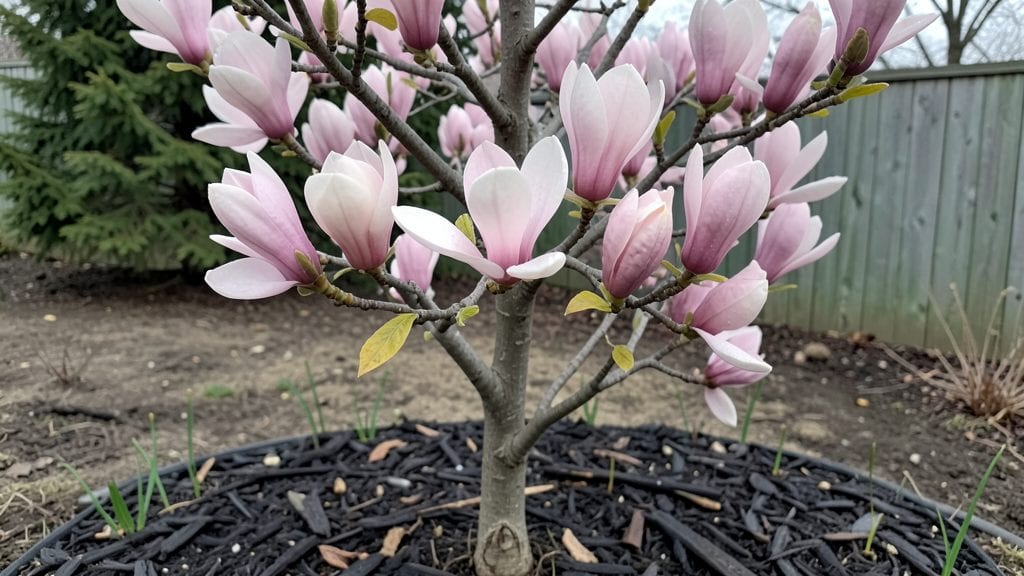
The Anne magnolia tree turns your yard into a fragrant pink dream every spring—its semi-double blooms perfume the air for weeks, while its glossy evergreen leaves provide year-round privacy that most plants can’t match. 🌸 I planted mine last fall, and by summer, it already outgrew my neighbors’ boxwoods.
The secret isn’t just its fast growth (up to 3 feet per year when young) but how it thrives with minimal fuss.
This magnolia loves morning sun and afternoon shade, making it perfect for urban yards or shady backyards. Well-draining soil is key—amend clay with compost if needed—and once established, it’s drought-tolerant. Water deeply once a week in dry spells, but avoid soggy roots.
The real magic happens in late winter when those rosy-pink buds burst open, filling the air with a sweet, creamy fragrance that hummingbirds adore.
Pruning is simple: just remove crossing branches in late winter to keep the shape open. With age, it grows 15–20 feet tall, so plant it 10–15 feet from structures for full impact.
The glossy leaves stay vibrant all year, blocking nosy neighbors while adding texture to your landscape. For extra drama, pair it with hostas or ferns at its base.
Common issues? Watch for scale insects (spray with horticultural oil) or powdery mildew (improve airflow). In colder zones, young trees need winter mulch. Once mature, this magnolia becomes a low-maintenance star—fragrant, fast-growing, and effortlessly elegant. Ready to transform your yard?
📚 In This Guide
- What you need
- Instructions
- Tips and common mistakes
- Wrapping up and next steps
What you need
- ● Anne Magnolia Tree (Magnolia × soulangeana 'Anne') – 1 mature tree (15–20 ft tall at maturity) or 3–5 smaller saplings (6–10 ft) for a hedge effect.
- ● Shovel or digging spade – For planting holes (1.5x wider than the root ball).
- ● Garden gloves – Heavy-duty, chemical-resistant (for pruning and soil handling).
- ● Pruning shears – Sharp, bypass-style (for clean cuts on branches <½ inch thick).
- ● Loppers – For thicker branches (½–2 inches in diameter).
- ● Hand pruners – For fine-tuning small branches and deadheading.
- ○ Pruning saw – Optional, for branches >2 inches thick.
- ● Mulch (3–4 inches) – Organic (wood chips, bark) or inorganic (gravel) to retain moisture and suppress weeds.
- ● Compost or slow-release fertilizer – 5–10–10 NPK ratio (1–2 lbs per tree) to boost growth.
- ● Watering can or hose with nozzle – For deep watering (1–2 gallons per tree, 2–3 times per week).
- ○ Tree stakes (optional) – 2–3 stakes + soft ties for young trees in windy areas.
- ● Disinfectant (70% isopropyl alcohol or pruning sealant) – To sterilize tools and prevent disease spread.
- ● Rubbing alcohol wipes – For quick tool cleanups between cuts.
- ● Heavy-duty trash bags – For collecting pruned branches and debris.
- ● Ladder (extendable, 12–16 ft) – For reaching higher branches safely.
- ● Safety glasses & long sleeves – Protect against sap, thorns, and debris.
How to plant and maintain an Anne Magnolia for year-round privacy
This elegant evergreen delivers fragrant spring blooms and dense foliage that thrives as a living privacy barrier.
🪴 Step 1: Select the Perfect Planting Location
Choose a site with full sun to partial shade—at least 6 hours of direct sunlight daily. Anne magnolias tolerate some shade, but full sun produces the most abundant blooms. The tree thrives in well-draining soil with a pH between 5.0 and 7.0, so test your soil before planting.
Ensure the location provides 15-20 feet of clearance in all directions, as this variety matures to 20-30 feet tall and wide. Avoid planting near sidewalks or driveways, as the roots spread aggressively. I always check utility lines before digging—magnolias have deep taproots that can damage underground pipes.
🌱 Step 2: Prepare the Planting Hole and Soil
Dig a hole twice as wide as the root ball but no deeper—this encourages outward root growth rather than downward. The top of the root ball should sit 1-2 inches above ground level to prevent waterlogging. Amend the native soil with 2-3 inches of compost mixed into the bottom and sides of the hole.
Gently remove the tree from its container and loosen any circling roots with your fingers. Place it in the hole so the root flare (where roots meet the trunk) is visible above the soil line. Backfill with the native soil mix, tamping down lightly every 6 inches to eliminate air pockets. Water thoroughly to settle the soil around the roots.
☀️ Step 3: Water Deeply and Mulch for Retention
Water the newly planted magnolia with 10-15 gallons of water immediately after planting. This helps the soil settle and eliminates air gaps that can dry out roots. For the first 3 months, water 2-3 times per week until the soil is 6-8 inches deep and moist. After establishment, water only when the top 2-3 inches of soil feel dry.
Apply a 3-inch layer of organic mulch (like pine bark or shredded leaves) around the base, keeping it 6 inches away from the trunk. This conserves moisture, regulates soil temperature, and prevents weed competition. Replenish mulch annually, but never let it pile against the trunk—this can cause rot.
✂️ Step 4: Prune for Shape and Health
Prune your Anne magnolia in late winter or early spring, just before new growth begins. Remove any dead, diseased, or crossing branches first—these compete with healthy growth. Thin out crowded branches to improve airflow, which reduces fungal diseases. Never remove more than 25% of the canopy in one year, as this stresses the tree.
Shape the tree by selectively pruning to encourage a full, rounded form. Avoid heavy pruning of flowering wood, as this reduces next year's bloom production. I always sterilize my pruners with rubbing alcohol between cuts to prevent spreading disease. After pruning, apply a balanced fertilizer (10-10-10) in early spring to support new growth.
🌿 Step 5: Monitor for Pests and Seasonal Care
Inspect your magnolia monthly for signs of pests, particularly scale insects and spider mites, which thrive in dry conditions. Treat infestations early with horticultural oil or insecticidal soap. Avoid chemical pesticides, as they can harm beneficial insects and the tree's delicate foliage.
In fall, apply a 2-3 inch layer of mulch to protect roots from winter temperature swings. Water deeply once a month during dry spells to prevent root desiccation. Young trees benefit from winter protection—wrap the trunk with burlap if your climate experiences below 10°F temperatures. Mature trees are hardy down to -15°F, but young specimens need extra care.
Tips & tricks for perfect Anne Magnolia planting and care
Here's what I've learned from years of growing these stunning evergreens—details that make all the difference between a struggling plant and a thriving privacy screen.
Sunlight Strategy: While Anne magnolias tolerate partial shade, the 6 hours of direct sunlight mentioned in Step 1 is non-negotiable for optimal bloom production. I've seen trees in filtered light produce fewer flowers, and the foliage becomes less dense over time. If your site only gets 4-5 hours of sun, consider planting near a south-facing wall to maximize light exposure during critical afternoon hours.
Soil Prep Secret: The 2-3 inches of compost in Step 2 is just the beginning—test your soil's pH before planting. If it's below 5.0, mix in elemental sulfur to lower the pH gradually. I've had clients skip this step and end up with yellowing leaves within months. For clay-heavy soils, add perlite to improve drainage, which prevents those dreaded waterlogged roots that can suffocate your magnolia.
Watering Wisdom: That initial 10-15 gallons of water after planting is crucial, but timing matters too. Water in the morning so the soil has all day to absorb moisture before evening evaporation. During the first 3 months, I check moisture by pushing a screwdriver into the soil—if it goes in easily, hold off on watering. Overwatering is just as damaging as underwatering, especially in those first critical months.
Pruning Precision: When shaping your tree in Step 4, focus on removing branches that grow inward or downward—they'll never receive enough sunlight to thrive. I use a technique called "thinning cuts" where I remove entire branches back to their origin rather than just trimming the ends. This opens up the canopy and creates that beautiful rounded form while maintaining the tree's natural structure.
Pro Tips for Anne Magnolia Tree
- Here's what I've learned from years of growing these stunning evergreens—details that make all the difference between a struggling plant and a thriving privacy screen.
- Sunlight Strategy: While Anne magnolias tolerate partial shade, the 6 hours of direct sunlight mentioned in Step 1 is non-negotiable for optimal bloom production.
- Soil Prep Secret: The 2-3 inches of compost in Step 2 is just the beginning—test your soil's pH before planting.
Frequently asked questions
Got questions about the stunning Anne Magnolia Tree? You’re not alone—this fragrant beauty is a favorite, but it comes with a few quirks! Here are answers to the most common questions to help you grow a thriving privacy screen with ease.
How fast does the Anne Magnolia Tree grow, and when will it provide privacy?
The Anne Magnolia grows at a moderate pace, averaging 12–24 inches per year under ideal conditions. Expect a 6–10-foot-tall tree (with a similar spread) in about 5–7 years, offering full privacy for small yards or as a focal point. Patience pays off—its glossy leaves and fragrant spring blooms make the wait worthwhile!
When is the best time to prune an Anne Magnolia for shape and health?
Prune your Anne Magnolia right after flowering (late spring) to avoid cutting off next year’s blooms. Focus on removing dead, crossing, or overcrowded branches first. For shaping, do light pruning in early summer—avoid heavy cuts, as magnolias respond best to gradual trimming. Never prune in fall or winter, as it stresses the tree.
Is the Anne Magnolia Tree cold-hardy, and how do I protect it in winter?
Yes! The Anne Magnolia thrives in USDA Zones 4–9, making it tough enough for northern climates. In colder zones, mulch the base with 3–4 inches of organic mulch (like wood chips) to insulate roots. Young trees may need burlap wrapping in harsh winters, but mature specimens usually handle frost well. Water deeply before the ground freezes to prevent drought stress.
Can I grow an Anne Magnolia in a container, or is it strictly for landscapes?
While Anne Magnolias are not ideal for containers long-term (they grow large!), you can start them in a 15–20 gallon pot for 3–5 years before transplanting. Use a well-draining potting mix and ensure the container has drainage holes. If you love the idea, consider dwarf varieties like ‘Black Tulip’ for smaller spaces—but expect slower growth.
What pests or diseases should I watch for in my Anne Magnolia?
Anne Magnolias are disease-resistant, but watch for scale insects, spider mites, or borers in hot, dry climates. Treat infestations early with neem oil or insecticidal soap. Fungal issues like powdery mildew can occur in humid areas—improve airflow and avoid overhead watering. Yellowing leaves often signal overwatering or nutrient deficiency; adjust care and fertilize lightly in spring.
Still curious? Drop your questions below—we’re happy to help your Anne Magnolia thrive!
Wrapping up and next steps
The Anne Magnolia Tree isn’t just a stunning addition to your landscape—it’s a year-round solution for privacy, beauty, and fragrance. With its glossy foliage, fragrant spring blooms, and low-maintenance care, it’s the perfect choice for any gardener.
Whether you’re a beginner or a seasoned pruner, this tree offers effortless elegance that keeps your outdoor space lush and inviting.
Ready to transform your space? Start by selecting the right spot and gathering your tools, then dive into pruning with confidence. Your future self—and your neighbors—will thank you! 🌿✨