
Trees
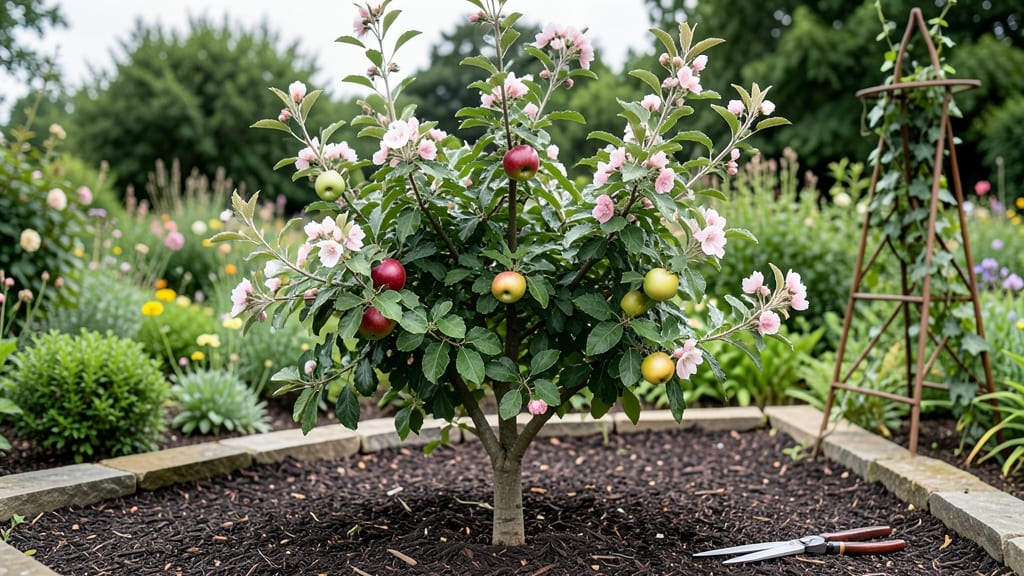
Growing five apple varieties on one tree sounds like magic—but it’s all in the grafting. 🌱 I planted my first 5-in-1 apple tree last spring, and by harvest time, I had crisp Honeycrisp, tart Granny Smith, and even a few sweet Fuji all from the same trunk.
The secret lies in how the tree’s structure supports multiple scions while keeping them healthy.
You’ll need well-draining soil, full sun, and a sturdy rootstock to handle the grafted branches. Pruning becomes key—thinning out crowded shoots and shaping the tree to prevent disease. While some varieties may need cross-pollination, others are self-fertile, so check your selections carefully.
The payoff? A single tree that produces a rainbow of flavors in one small space.
By summer’s end, you’ll be harvesting apples with textures and tastes that change with each bite—juicy, sweet, tart, or spicy. The tree stays compact enough for even small yards, and with proper care, it can produce for decades.
Just watch for signs of stress in the graft unions, and you’re golden.
Perfect for urban gardeners, small homesteads, or anyone who wants variety without sacrificing space. Let’s get those grafts thriving!
📚 In This Guide
- What you need
- Instructions
- Tips and common mistakes
- Wrapping up and next steps
What you need
- ● 5-in-1 apple tree sapling: Choose a healthy, grafted tree (e.g., Dwarf Honeycrisp, Gala, Fuji, Granny Smith, and Pink Lady on a single rootstock). Ensure it’s disease-resistant and suited to your climate zone.
- ● Well-draining potting soil: 10-15 gallons (for a 15-gallon container) or native soil amended with compost (for in-ground planting). Look for a mix with 60-70% organic matter.
- ● Large container or planting hole: Container option: A 15-20 gallon pot with drainage holes (e.g., fabric grow bag or ceramic planter).
- ● In-ground option: A hole 3x wider and 2x deeper than the root ball (minimum 24" diameter).
- ● Slow-release fertilizer: 1-2 cups of balanced 10-10-10 or organic fertilizer (e.g., alfalfa meal or fish emulsion).
- ● Mulch: 2-3 inches of wood chips, straw, or shredded bark to retain moisture and suppress weeds.
- ● Pruning shears: Sharp, bypass-style shears (sterilized with rubbing alcohol).
- ○ Staking supplies (optional but recommended):strong> 2-3 wooden stakes (1-2" diameter, 4-5 ft tall).
- ● Soft tree tie straps (avoid wire—it can damage bark!).
- ● Garden trowel or shovel: For digging and transplanting.
- ● Watering can or hose with nozzle: With a gentle spray setting to avoid disturbing soil.
- ● pH testing kit: To check soil pH (ideal range: 6.0-6.5 for apples). Adjust with lime or sulfur if needed.
- ● Drip irrigation system: For consistent moisture (especially in containers).
- ○ Fruit tree spray (optional): Organic neem oil or copper fungicide to prevent pests/diseases.
- ● Garden gloves: To protect hands from thorns and soil.
How to plant and care for 5-in-1 apple trees
Here's my foolproof method for growing a mini orchard in one space-saving plant.
🪴 Step 1: Select the Right Location and Prepare the Soil
Choose a spot that gets at least 6-8 hours of direct sunlight daily—apple trees need full sun to produce fruit. I always test the soil first by digging a small hole and checking moisture levels. The soil should drain well but retain some moisture; if it feels compacted or clay-heavy, mix in 2-3 inches of compost to improve drainage and fertility.
Apple trees thrive in slightly acidic to neutral soil with a pH between 6.0 and 7.0. You can test your soil with a simple kit from a garden center. If the pH is off, adjust it gradually with lime to raise it or sulfur to lower it. Avoid planting in low-lying areas where cold air collects, as frost can damage young trees.
🌱 Step 2: Plant the 5-in-1 Apple Tree Correctly
Dig a hole that’s twice as wide as the root ball but only as deep as the container the tree came in. Gently remove the tree from its pot and loosen any circling roots with your fingers—this encourages outward growth. Place the tree in the hole so the graft union (the bump where different varieties are joined) is 2-3 inches above the soil line. This prevents the union from being buried, which can cause rot.
Backfill the hole with native soil, tamping it down lightly as you go to remove air pockets. Water deeply to settle the soil around the roots, and add a 2-inch layer of mulch (like wood chips or straw) around the base, keeping it 3-4 inches away from the trunk. Mulch helps retain moisture and regulate soil temperature, but avoid piling it directly against the trunk to prevent rot.
☀️ Step 3: Provide Proper Watering and Sunlight
Water your 5-in-1 apple tree deeply once a week during the first year, ensuring the soil is moist 6-8 inches down. You’ll know it’s time to water when the top 2 inches of soil feel dry to the touch. Overwatering is a common mistake—apple trees hate soggy roots, so always check moisture levels before watering again.
In the first year, avoid fertilizing unless the soil test shows a deficiency. Too much fertilizer can stress young trees. Instead, focus on full sun exposure and consistent watering. If your tree starts to show signs of stress—like yellowing leaves or stunted growth—it might need more sunlight or better-draining soil. Adjust accordingly, but remember, apple trees are resilient once established.
✂️ Step 4: Prune for Health and Fruit Production
Prune your 5-in-1 apple tree in late winter or early spring before new growth begins. Remove any dead, diseased, or crossing branches first, cutting back to a healthy bud or branch. Then, thin out the canopy to allow light and air to reach the center of the tree. Aim to keep the shape open and balanced—this encourages better fruit production and reduces the risk of fungal diseases.
Watch for suckers (shoots growing from the base or graft union) and remove them promptly. These compete with the main tree for nutrients and can weaken it. After pruning, apply a thin layer of mulch around the base (but not touching the trunk) to protect the roots and retain moisture. Pruning might seem intimidating, but start small—just focus on removing the obvious dead or damaged branches first.
🍎 Step 5: Monitor for Pests and Diseases
Inspect your tree weekly for signs of pests like aphids, mites, or apple maggots. Early detection is key—if you spot tiny holes in the fruit or chewed leaves, act fast. For mild infestations, a strong spray of water can dislodge pests. For more serious issues, use neem oil or insecticidal soap, following the package instructions carefully. Avoid chemical pesticides, as they can harm beneficial insects and the environment.
Apple trees are also prone to fungal diseases like apple scab or powdery mildew, especially in humid climates. Improve airflow by pruning properly and avoid overhead watering. If you notice white powdery spots on leaves or dark, crusty patches, treat the tree with a copper-based fungicide or a baking soda solution (1 tablespoon baking soda + 1 teaspoon dish soap + 1 gallon water). Prevention is easier than treatment, so keep your tree healthy with good care.
Tips & tricks for perfect 5-in-1 apple trees
Here's what I've learned from years of growing these space-saving wonders—little tricks that make all the difference between a struggling tree and a thriving mini orchard.
Sunlight Secret: That 6-8 hours of sunlight in Step 1 isn't just a minimum—it's the sweet spot. I've seen trees in partial shade produce fruit, but the quality and quantity suffer. If your spot gets less than 6 hours, consider adding a portable grow light for 2-3 hours daily during fruiting season. South-facing locations get the most consistent light, but east-facing spots work too if they get morning sun.
Soil Test Tip: Don't guess about your soil pH—test it! I've seen gardeners add lime to already alkaline soil, thinking it would help, only to create a worse imbalance. Grab a simple pH test kit from your local nursery. If your soil is perfect (6.0-7.0), don't mess with it. The 2-3 inches of compost recommendation is perfect for most gardeners, but if you're in heavy clay, double that amount for better drainage.
Planting Precision: When positioning that graft union 2-3 inches above soil level in Step 2, use a small stick or marker to make a reference point before planting. This visual guide helps you get it just right. I've seen beginners bury the union completely, which can lead to rot and poor fruiting. Also, water the tree immediately after planting to help settle the soil around those delicate roots.
Watering Wisdom: That weekly watering schedule in Step 3 works perfectly in most climates, but adjust for your conditions. In hot summer months, you might need to water every 4-5 days instead. The key is always checking that top 2 inches of soil—if it's dry, it's time to water. I like to water deeply in the morning so the tree has all day to absorb moisture before evening. And never water the leaves to prevent fungal diseases.
Pro Tips for 5 In 1 Apple Trees
- Here's what I've learned from years of growing these space-saving wonders—little tricks that make all the difference between a struggling tree and a thriving mini orchard.
- Sunlight Secret: That 6-8 hours of sunlight in Step 1 isn't just a minimum—it's the sweet spot.
- Soil Test Tip: Don't guess about your soil pH—test it!
Frequently asked questions
Got questions about 5-in-1 apple trees? You’re not alone! Here are answers to the most common queries to help you grow like a pro:
What does "5-in-1" actually mean?
A 5-in-1 apple tree is a single plant grafted with five different apple varieties on one rootstock. This lets you harvest multiple types of apples—like Honeycrisp, Fuji, and Gala—from one tree, saving space and effort. Think of it as a mini orchard in a single trunk!
How long does it take for a 5-in-1 tree to bear fruit?
Most 5-in-1 apple trees start producing fruit within 2–4 years after planting, depending on climate and care. Dwarf varieties (common in these trees) mature faster than standard apple trees. Patience pays off—just imagine fresh apples in no time!
Can I grow a 5-in-1 apple tree in a container?
Since these trees are dwarf or semi-dwarf, they thrive in large containers (15–20 gallons) with proper drainage. Just ensure the pot is deep enough (18–24 inches) and use high-quality potting soil. Containers let you move the tree for optimal sunlight—perfect for patios or small yards!
How do I protect my 5-in-1 tree from pests or diseases?
Prevention is key! Prune regularly to improve airflow, and use organic sprays (like neem oil) for pests. Watch for apple scab or codling moths—common issues. Mulch around the base to deter rodents, and avoid overhead watering to prevent fungal growth. A healthy tree is resilient!
Will all five apple varieties ripen at the same time?
Nope! Each grafted variety has its own ripening schedule, so you’ll enjoy a staggered harvest—some apples in early summer, others in fall. Check the graft labels or your nursery’s notes for specific timing. It’s like getting a free extension on your apple season!
Pro Tip:
Label each grafted branch when planting to track which variety is which. A simple twist-tie with the apple name works wonders—no more guessing during harvest time!
Wrapping up and next steps
Growing a 5-in-1 apple tree is your ticket to a space-saving, high-yield orchard without sacrificing flavor or variety!
Whether you’re a city dweller with a tiny balcony or a homesteader dreaming of efficiency, this innovative approach lets you enjoy five different apple types from a single plant—no sprawling garden required. 🍏✨
Ready to transform your green space? Start by selecting your favorite varieties, gathering the right tools, and planting with confidence. Your future harvest is just one season away! Happy planting!