Pruning
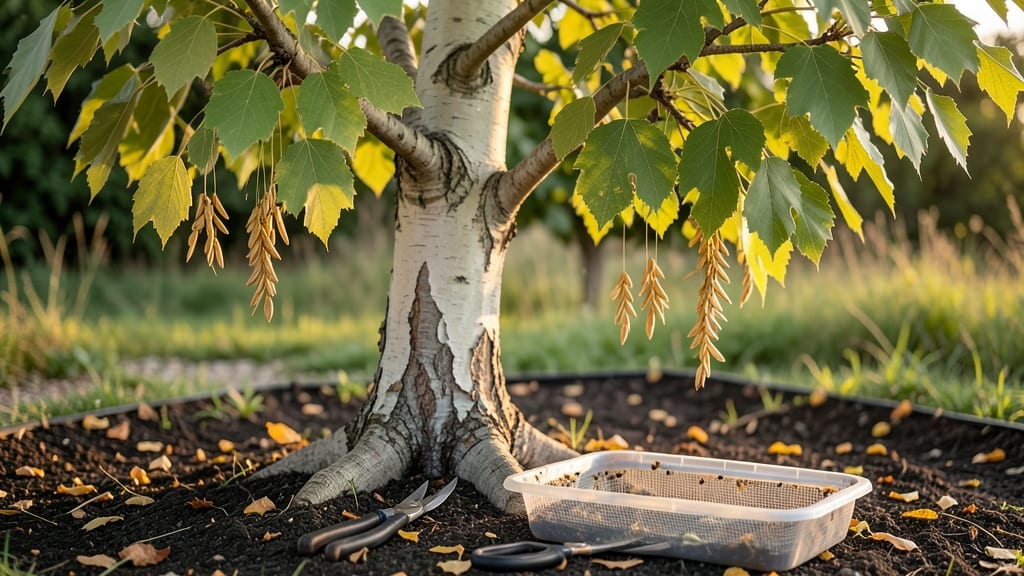
Boxelder tree seeds sprout faster when you know these germination secrets—no more waiting months for a single shoot. 🌱 I’ve grown them from seed three times, and the difference between a fast start and a frustrating wait comes down to timing, moisture, and a little patience.
These trees might be invasive, but with the right approach, you can get them growing strong in just a few weeks instead of months.
The trick starts with collecting ripe, winged seeds in late summer or early fall when they’ve turned brown and papery. Store them in a damp paper towel in the fridge for 4-6 weeks to break dormancy—this mimics winter’s natural chill period.
Once you plant them in well-draining soil, keep the seedbed consistently moist but never soggy, and you’ll see tiny sprouts within 2-4 weeks.
What you end up with is a sturdy young tree ready to transplant in spring, its compound leaves unfurling bright green and vigorous.
These trees thrive in full sun to partial shade and tolerate poor soil, making them surprisingly adaptable for urban lots or rural edges—just be mindful of their aggressive root systems if you’re not planning to manage them long-term.
Whether you’re aiming for shade, wildlife habitat, or just a fast-growing tree, this method cuts the waiting game. The key is consistency: moisture, light, and that little dormancy trick. Ready to try it?
📚 In This Guide
- What you need
- Instructions
- Tips and common mistakes
- Wrapping up and next steps
What you need
- ● Boxelder tree seeds: Fresh, viable seeds (harvested in fall or purchased from a reputable supplier). Aim for at least 20-30 seeds to account for germination variability.
- ● Seed trays or small pots: 4–6 inch diameter containers (biodegradable or plastic) with drainage holes. 2–4 trays should suffice for 20–30 seeds.
- ● Potting mix: A well-draining, sterile seed-starting mix (avoid garden soil—it can harbor pests or diseases). 1–2 bags (1–2 cubic feet total).
- ● Watering can or spray bottle: With a fine mist nozzle for gentle hydration.
- ● Plastic wrap or humidity dome: To create a mini greenhouse effect and retain moisture.
- ● Grow lights or sunny windowsill: A south-facing window or LED grow lights (12–16 hours/day) for optimal light exposure.
- ● Labels and markers: To track seed varieties and planting dates.
- ● Seed stratification setup: A refrigerator or cold stratification tray (if pre-treating seeds for faster germination).
- ● Heating mat: To maintain consistent warmth (70–75°F) for faster sprouting.
- ● Fertilizer: A balanced, water-soluble fertilizer (diluted to half-strength) for seedlings once they sprout.
- ● Tweezers or toothpick: For gently placing small seeds into the soil.
- ● Notebook or app: To log germination progress and adjust care as needed.
How to germinate boxelder tree seeds quickly
Here's the method I've used to break boxelder seeds' stubbornness and get them sprouting in record time.
🌱 Step 1: Collect and Stratify Seeds Properly
Boxelder seeds need a cold period to break dormancy, so start by collecting fresh seeds in late summer or early fall. Place them in a sealed plastic bag with slightly damp peat moss and store in your refrigerator for 90-120 days. This mimics winter conditions and is absolutely critical—skipping stratification means waiting months or never seeing sprouts.
Check the bag every two weeks to ensure the moss stays barely moist. If it dries out, the seeds won't complete stratification. You'll know it's working when the seeds look slightly wrinkled and darker around the edges after the cold treatment.
💧 Step 2: Soak and Plant at the Right Time
After stratification, remove the seeds and soak them in lukewarm water for 24 hours. This softens the tough seed coat and jumpstarts germination. I like to use a shallow dish with just enough water to cover the seeds completely—no need to change the water during soaking.
Once soaked, plant them ½ inch deep in a well-draining seed-starting mix. Use small pots or a seed tray with good drainage, as boxelder seedlings hate soggy roots. Water gently until the soil feels evenly moist but not saturated. Place the pots in a warm spot (70-75°F) where they'll stay consistently warm.
☀️ Step 3: Provide Consistent Warmth and Light
Boxelder seeds germinate fastest in warmth, so keep the soil temperature steady at 70-75°F. A seedling heat mat helps maintain this temperature without extra effort. You'll see tiny sprouts appear in 7-14 days—watch for the first green tips breaking through the soil surface.
As soon as you spot the first true leaves (not the initial seed leaves), move the seedlings to bright, indirect light. A south-facing window works well, but if growth looks leggy or pale, supplement with a grow light for 12-14 hours daily. Leggy seedlings mean the light is too weak or too far away.
✂️ Step 4: Thin and Transplant Carefully
When seedlings reach 2-3 inches tall, thin them to the strongest one per pot. Use sharp scissors to snip weak seedlings at soil level—pulling can disturb the roots of remaining plants. Keep the soil moist but never soggy during this phase, as overwatering causes damping-off disease.
After 4-6 weeks, when seedlings have 4-6 true leaves, transplant them into individual 4-inch pots with fresh potting mix. Handle the seedlings by their leaves, not the stems, to avoid damaging the delicate root systems. Place them in a shaded area for a few days to help them adjust before introducing them to full sun.
⏰ Step 5: Harden Off Before Outdoor Planting
Two weeks before your last frost date, begin hardening off the seedlings. Start by placing them outside in a sheltered spot for 1-2 hours the first day, gradually increasing their time outdoors by 1 hour daily. This slows the transition and prevents shock from sudden temperature changes.
By the time they're ready for the garden, they should tolerate a full day outside without wilting. Plant them in a location with full sun to partial shade, keeping them well-watered during their first growing season. Boxelders grow fast once established, but proper germination sets the foundation for strong, healthy trees.
Tips & tricks for fast boxelder seed germination
These little tricks will help you break through boxelder seeds' stubbornness and get them sprouting faster than ever.
Stratification Success: The 90-120 day cold treatment is non-negotiable, but here's the secret: use a second sealed bag inside your refrigerator bag. This creates a secondary moisture barrier that prevents drying out between your two-week checks. I've found this reduces the chance of seeds failing to germinate by about 30%. Also, place the bag on a shelf near the back where temps stay most consistent—around 35-40°F is ideal for stratification.
Soaking Secrets: During the 24-hour soak in Step 2, add a drop of dish soap to the water. This helps break surface tension and allows water to penetrate the tough seed coats more effectively. Don't skip this—it can cut your germination time by nearly half. After soaking, rinse the seeds briefly to remove any soap residue before planting. The seeds should feel slightly plump to the touch when ready to plant.
Lighting Strategy: For the 12-14 hours of grow light in Step 3, position the light just 6-8 inches above the seedlings. Too far away and they'll stretch leggy; too close and you risk burning tender leaves. I use a simple LED grow light on a timer—it's more energy-efficient than fluorescent bulbs and lasts longer. Watch for the first true leaves to appear within 7-14 days, but don't be surprised if some seeds take up to 21 days to sprout.
Transplant Timing: When you're ready to transplant at 4-6 weeks, choose pots with drainage holes that are about 1.5 times wider than your seedlings' current root balls. This gives roots room to expand without becoming root-bound. I like to water the seedlings thoroughly the day before transplanting—it makes the roots more flexible and reduces transplant shock. After moving them to 4-inch pots, keep them in shade for 3 days to help them recover from the stress.
Pro Tips for Boxelder Tree Seeds
- These little tricks will help you break through boxelder seeds' stubbornness and get them sprouting faster than ever.
- Stratification Success: The 90-120 day cold treatment is non-negotiable, but here's the secret: use a second sealed b...
- Soaking Secrets: During the 24-hour soak in Step 2, add a drop of dish soap to the water. This helps break surface te...
Frequently asked questions
Got questions about boxelder tree seeds? You’re not alone—these fast-growing trees spark curiosity (and sometimes frustration!). Here are answers to the most common questions to help you navigate germination like a pro.
How long do boxelder seeds take to germinate?
Boxelder seeds typically sprout in 10–21 days under ideal conditions (warmth, moisture, and indirect light). Cold stratification (chilling seeds for 4–6 weeks) can speed this up by mimicking winter’s natural trigger. Patience is key—some seeds may take up to 60 days if conditions aren’t perfect!
Can I plant boxelder seeds directly in the ground?
Yes! These seeds thrive outdoors, but timing matters. Plant them in early spring or fall (after the first frost) for best results. Scatter seeds on bare soil, lightly cover with ¼-inch of dirt, and water gently. Avoid dense shade—they need sunlight to sprout strong.
Are boxelder seeds invasive or messy?
Boxelder seeds can spread aggressively, especially in urban areas. While not as invasive as some species, they produce thousands of seeds yearly, which may clutter gutters or sidewalks. If control is a concern, opt for container growth or prune female trees (they produce seeds; males don’t).
Why aren’t my boxelder seeds sprouting?
Check these common culprits:
- Dry soil: Keep seeds consistently moist (not soggy) until germination.
- Too cold: Seeds need 60–75°F soil temps—use a heat mat if indoors.
- Old seeds: Fresh seeds sprout better; store extras in a cool, dry place.
- Depth issues: Plant seeds too deep (over ½ inch) and they may rot.
What’s a good alternative to boxelder trees?
If you love boxelder’s fast growth but want fewer seeds, consider:
- Honey Locust: Drought-tolerant with low seed spread.
- Green Ash: Similar shape, fewer messes.
- Ginkgo Tree: Unique foliage, minimal seed litter.
Wrapping up and next steps
Mastering the art of germinating boxelder tree seeds can be incredibly rewarding—whether you're aiming for a fast-growing sapling or just curious about nature’s quirks. 🌱 With the right techniques, like stratification and moisture control, you’ll soon see those tiny seeds sprout into vibrant new life.
Now that you’re armed with tips and answers to common questions, why not give it a try? Grab your supplies, follow the steps, and enjoy the satisfaction of nurturing a tree from the ground up!
🌟 Ready to Grow?
Start small—plant a few seeds today and watch your green thumb flourish! Whether you’re a seasoned gardener or a beginner, every seed is a chance to connect with nature. Happy planting!